Skiing in St. Moritz: Corviglia, Corvatsch & Diavolezza (Ikon Pass, 2026–27)
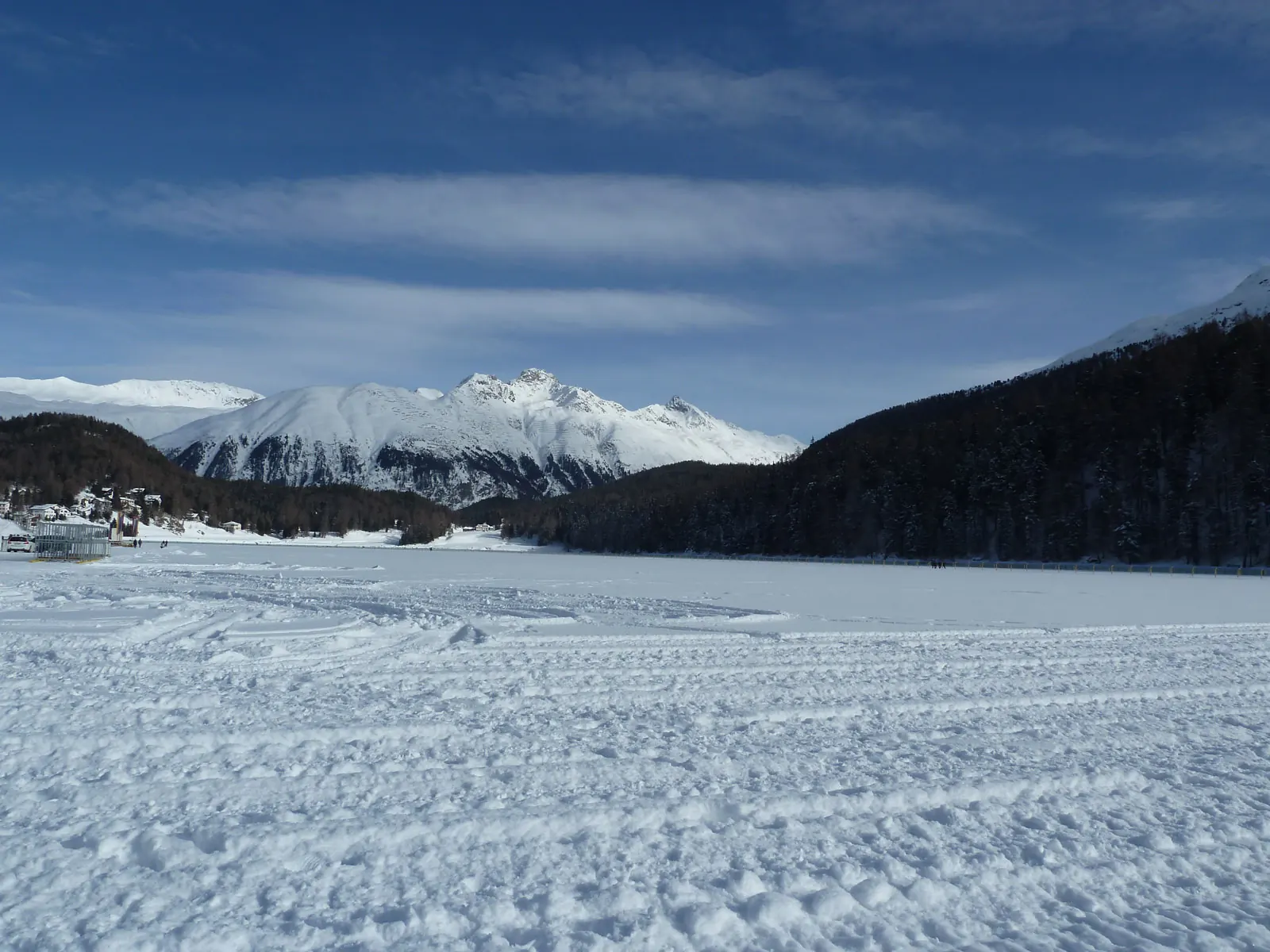
St. Moritz invented winter tourism in 1864 — or so the legend goes, with a hotelier betting British summer guests they'd love the Engadine in winter. More than 160 years later, the Engadine's dry cold air and sunshine are still the draw.
The three areas
- Corviglia — the home mountain above town, groomed to perfection.
- Corvatsch — higher and snowier, with views over the frozen Engadine lakes.
- Diavolezza — glacier terrain facing the Bernina massif; one of the earliest openings in Switzerland.
Who it's for
Groomer lovers, sunshine seekers, couples, and anyone combining skiing with non-ski activities — the Engadine is excellent for winter walks and cross-country skiing.
Where to stay
Badrutt's Palace
St. Moritz · Graubünden
St. Moritz's most famous palace hotel, with a spa and lake-view pool.
Check rates & availability →Kulm Hotel St. Moritz
St. Moritz · Graubünden
Historic St. Moritz hotel with a spa and outdoor pool over the lake.
Check rates & availability →Carlton Hotel St. Moritz
St. Moritz · Graubünden
All-suite lakeview hotel with a large spa.
Check rates & availability →Grand Hotel Kronenhof
Pontresina · Graubünden
Belle-époque grand hotel with a modern spa, next to the Roseg valley trails.
Check rates & availability →Hotel Saratz
Pontresina · Graubünden
Spa hotel with an indoor pool and the highest heated outdoor pool in the Engadine.
Check rates & availability →Soak
Beyond the hotel spas, Bogn Engiadina Scuol — an hour down the valley — is the Engadine's mineral bath.
FAQ
Is St. Moritz good for skiing or just for glamour?
Both. Corviglia has long, wide groomers, Corvatsch has high-altitude terrain and night skiing on some evenings, and Diavolezza offers glacier runs. The glamour is a bonus.
When does St. Moritz open?
Diavolezza is usually first, opening in October on 2026–27 Ikon schedules; Corvatsch and Corviglia follow in November and December.
What is there to do in St. Moritz besides skiing?
Walk or skate on the frozen lake, watch the White Turf horse races (February), ride the Bernina Express to Italy, try the Cresta Run (members) or sledding at Preda–Bergün nearby.